

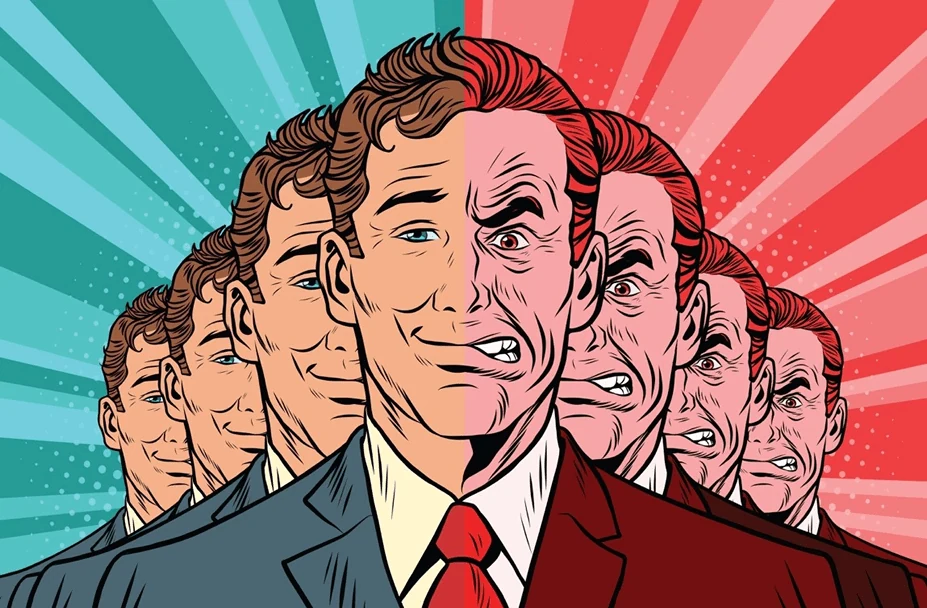
“A good leader can get efficient service from poor troops, while, on the contrary, a poor leader can demoralize the best troops and make them ineffective.” John J. Pershing
This statement also applies to business leaders today. Good or bad leadership has a direct impact on a company’s productivity and success.

Poor Leadership Habits
Weak leadership skills can damage a company’s prospects. Employees tend to reflect their leader’s attitudes and actions. A manager who disregards company objectives, behaves inconsistently, makes minimal effort or contributes only intermittently helps establish the idea that substandard performance is acceptable. In businesses that have failed to embed a clear understanding of authority within company principles, losses arising from customer problems can harm business volume and employee performance. Failing to enforce rules undermines a workplace’s sense of purpose. Work that does not inspire employees is also much more likely to end in failure.

Weak leaders often lack communication skills. This creates a gap between management and employees. Communication between senior management and staff is the key to building motivating, inspiring working relationships. Even when the organizational hierarchy is short, the nature of people and work means communication will always be necessary to keep processes moving. A leader who cannot communicate effectively will inevitably help create divisions. A strong leader can inspire employees to take pride in their work, develop ways to motivate them, discuss difficult experiences and attend to many other details. Do not avoid communication.
The Essential Qualities of a Leader

An effective leader understands that managers should be the clearest example of the behavior expected from employees. Good leaders do not exploit their position to come and go as they please. When managers are punctual and carry out their duties with high standards, ethics and honesty, employees are inspired to do the same. Poor leaders often adopt a “do as I say, do as I do” mentality, which is damaging and confusing for employees.
Managing Employees Effectively

A good leader knows that a company’s success or failure depends largely on its people. Effective leaders ensure that clear instructions, expectations, communication and structure are in place. Weak managers can diminish the authority that comes with leadership by treating employees like children or as less capable people. Employees are unlikely to listen to or respect a leader who mistreats them, shows favoritism, takes no initiative or displays a negative attitude. Good leaders listen to employees, take an interest in their ideas and reward them for exceeding expectations. When workplace problems arise, they address them in accordance with company rules, allow each party to explain their position and protect the dignity of everyone involved.
Long-Term Goals
People with underdeveloped leadership skills lack a long-term vision and focus only on day-to-day business objectives. Good leaders consider future goals alongside current projects and think about where the company needs to go. This focus helps preserve the company’s mission, values and direction, keeps the business moving forward and supports adaptation to changing circumstances to improve its chances of success.




Comments