

Retargeting begins by identifying people who have taken certain actions online, such as visiting your website or social media profile. Using that data to target the audience with digital ads is known as retargeting. This strategy allows your ads to reach those users even while they browse other pages.
Retargeting serves ads to an audience based on previous behaviour or interactions with your website, such as pages visited or time spent on the site.
If you have visited a brand's website and later seen an ad for that brand on another website or Facebook, you have encountered retargeting.
Here is an example of retargeting.
For a clothing brand, the strategy might work as follows:
- The brand adds Facebook and Google tracking codes to its website.
- Customers visit the brand's “winter dresses” page.
- Those customers leave without taking any action.
- While browsing other websites, customers who visited the “winter dresses” page see retargeting ads featuring new winter dresses.
- The brand can also create a Google display ad offering a coupon for winter dresses. This ad is shown only to people who visited the website's “winter dresses” page.
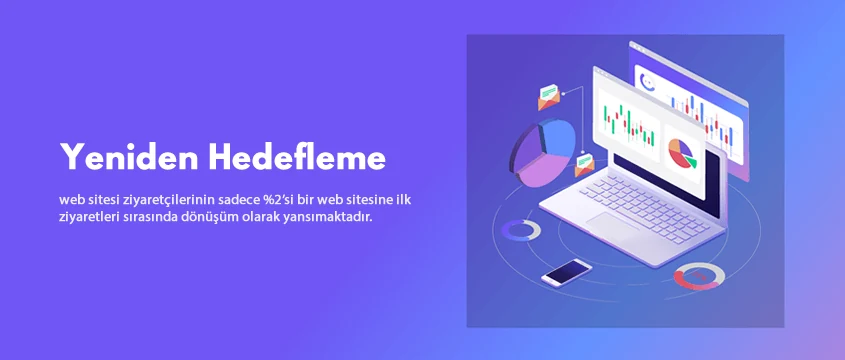
According to analysis by ReTargeter, only 2% of website visitors convert on their first visit. Retargeting solutions allow advertisers to bring visitors back to a website, increasing their chances of generating further conversions. The same analysis observed a 50% to 60% increase in conversion rates for a consumer products company using a retargeting strategy.
Targeting is essential in marketing. If you try to reach everyone, reaching anyone becomes a difficult and costly process. Vague, generic messages are much less likely to attract an audience than specific, well-structured communication. This is why targeting matters so much.
Targeting matters because it forms part of an integrated marketing strategy. Beyond advertising, it affects customer experience, branding and business operations. When your company focuses on target market segmentation, you can put the following into practice:
Key Points
Speak directly to a defined audience. Marketing messages have a deeper effect when readers can relate directly to the information. Brands with broad, diverse customer markets struggle to create campaigns that speak directly to their audiences. With so many different people involved, a few slogans or stories cannot address everyone personally. Targeted marketing can ease this problem and help you focus on messages for a specific audience.
Attract and convert high-quality customers. Engaging directly with the people you want to reach makes higher conversion rates more likely. Your marketing will help people who want to do business with you find you more effectively, increasing the likelihood of attracting high-quality, qualified leads.
Differentiate your brand from competitors. Once you stop trying to reach every customer in your market and focus on a smaller segment, you begin to stand out among competitors in your industry. When customers clearly identify with your brand and its unique selling propositions, they will choose you over a competitor that does not speak to or target them specifically. You can use your marketing positioning to make your brand more recognisable and distinctive.
Build deeper customer loyalty. A more personal approach, beyond standard messages, helps you stand out and build longer-lasting relationships. When customers identify with your brand and believe it understands their particular perspectives and needs, they are more likely to stay loyal and continue working with you over time.
Improve products and services. Knowing your customers more closely helps you reconsider your products and services. A deep understanding of your audience allows you to anticipate what they are thinking and identify ways to improve your offering.
Knowing your ideal audience helps you decide which target markets to prioritise. Once you understand your ideal customer well, you can identify ways to segment them into a more clearly defined audience.



Comments