

Many digital marketers wonder which platform suits their business better: Facebook Ads or LinkedIn Ads? Facebook's larger user base may influence your preference. The figures speak of more than 2.2 billion active users, while LinkedIn trails with 550 million. Does platform size determine effectiveness? I do not think so.
Although LinkedIn and Facebook share some similarities, their functionality and potential audiences are quite different.
Choosing the most suitable platform depends on your brand and marketing strategy. You also need to understand what each offers in active audiences, ad formats, targeting, cost and analytics.
Facebook Ads and LinkedIn Ads
Audience
Facebook tends to address people personally, as the platform is generally used to connect and communicate with friends and family.
LinkedIn is seen as a more professional audience: users are more interested in networking, career advice and collaboration with like-minded people.
If you are an agency seeking to build your brand among industry leaders or make an innovative competitive move through distinctive capabilities, LinkedIn is probably more suitable.
If you are an e-commerce brand, Facebook Ads may bring you a better audience.
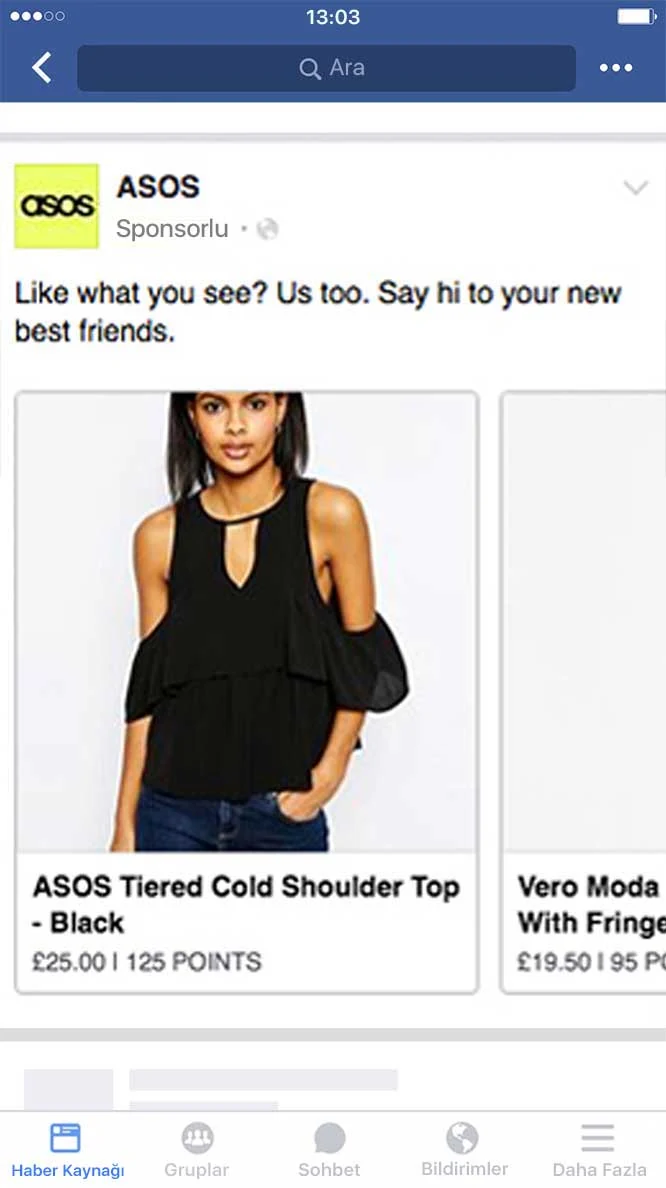
E-commerce brand ASOS targets consumers with this Facebook ad offering discounts on women's clothing:
In short, LinkedIn Ads has traditionally been better for B2B because of the platform's professional nature, while Facebook Ads is better suited to B2C brands.
Ad Formats
LinkedIn and Facebook offer similar lead-form solutions. Both add a form to the ad so prospective customers can engage.
When a user clicks the call to action (CTA), a lead capture form appears directly on the platform.
On both LinkedIn and Facebook, the form is mostly prefilled with information users have already shared on the network.
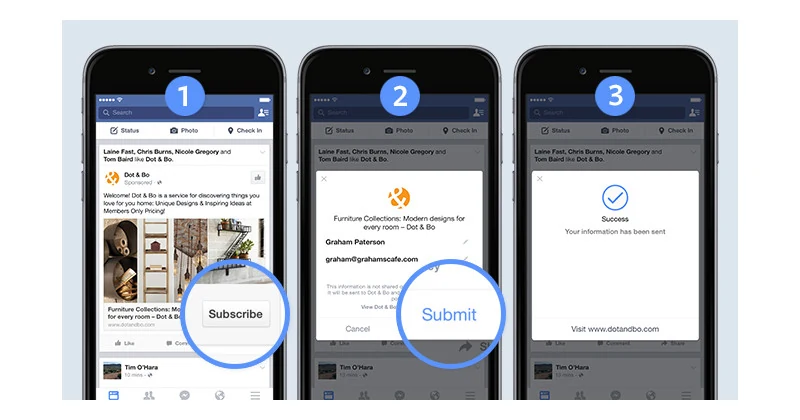
After submission, you can share content, show a thank-you page or send the user to your website.
Note: Collecting these submissions on a landing page tailored to your ads can be a healthier approach. A distinctive experience personalised to your audience can also improve conversion rates.
Other similar formats on LinkedIn and Facebook include:
- Link ads
- Display ads
- Video ads
- Messaging: LinkedIn InMail and Facebook Messenger ads
- Carousel ads
Facebook offers additional distinctive interactive formats:
- Slideshow
- Playable ads
- Instant Experience ads (Canvas)
- Collection
- Stories
This Facebook Stories campaign provides a compelling full-screen experience and lets people sign up for an attractive subscription directly from the ad:

Facebook's interactive formats are ideal for brands advertising stylish products or distinctive services best presented visually.
Targeting Options
Both networks allow targeting audiences that share defined characteristics and retargeting them through remarketing.
Facebook lookalike audiences use a source audience to find people with similar interests, demographics and behaviour. An existing email database, lead list or people following your posts can serve as inputs.
According to a test by Skyline Social, LinkedIn audience expansion is less effective than Facebook lookalike audiences. Read it here.
Facebook Ads has further advantages over LinkedIn. Marketers can combine actual data, such as demographics and location, to match ads with a larger targeted audience.
Beyond demographics, you can target interests, lifestyles and shopping behaviours. Following Facebook's data privacy crises, however, all third-party data for advertisers was removed. Advertisers can no longer target campaigns using some parameters, including purchase behaviour, in-market audiences and household income.
Facebook automatically optimises ads to improve campaign results and provides advanced recommendations and insights. It analyses your criteria and decides delivery based on trends among people seeing and clicking ads. If one audience segment produces most conversions, for example, Facebook optimises the ad so it continues reaching that segment and similar people.
LinkedIn's Targeting Advantages
A key advantage is its ability to support data-driven marketing. Unlike Facebook, LinkedIn keeps the data within its social network. People register and describe their professional identities: title, occupation, company name and size, and so on. Advertisers use these details to target larger businesses, senior decision-makers and other criteria.
Cost
Cost per click is much lower on Facebook than LinkedIn.
Across the four main social networks, average CPC is TRY 0.51 for Facebook Ads and TRY 5.61 for LinkedIn Ads.
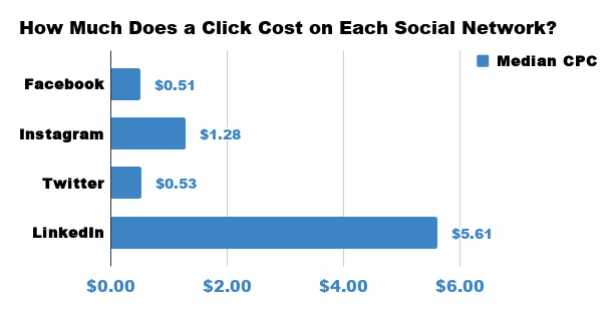
LinkedIn looks expensive by comparison. Its more costly leads, however, often mean higher-quality prospects and a higher return on investment (ROI) than other platforms.
Note: If you simply want people to see your content, Facebook is probably the cheapest option. If you want them to see it and submit contact information, the competition is more balanced. Some analyses suggest LinkedIn clicks are 10 times more likely than Facebook clicks to become high-quality leads.
What Is the Verdict?
LinkedIn Ads or Facebook Ads?
The best choice depends on your target audience and where that community spends time. Whether promoting a webinar, a new technology solution or seasonal clothing, both platforms let advertisers reach people in previously impossible ways.
Before advertising on either, understand the available features to achieve the best exposure. Follow their blogs and business accounts for current specifications and targeting options.
A ThoughtA company offering CRM and automation solutions will naturally choose differently from an e-commerce-heavy business. Facebook Ads may be more useful for products such as home décor. A service addressing CRM and management systems for large organisations may attract better-quality prospects through LinkedIn.


Comments